
A qualification programme for light pollution mitigation specialists
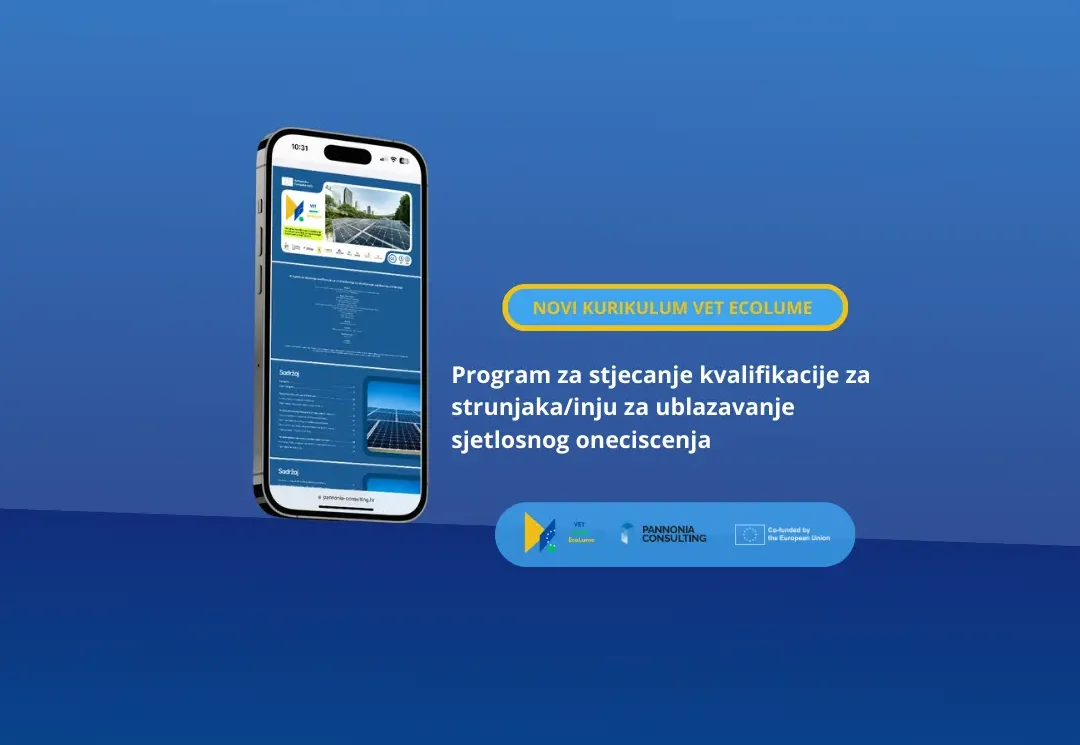
The new vocational curriculum of the VET EcoLume project is designed to train “Light Pollution Mitigation Specialists”. Together with our partners on the project we produced a document that covers an introduction, pedagogical guidance and five clearly defined modules combining theory, practical activity and independent study. The curriculum stresses working across disciplines, connecting science, technology, public communication and governance, and using tools for monitoring and solving light pollution.
The first module covers light as a physical phenomenon and as a technology shaped by human activity. Learners meet the history of lighting, the basic concepts (spectrum, units of measurement, correlated colour temperature) and the main forms of light pollution: skyglow, glare and light trespass. The module includes practical examples of poor and good lighting practice, so that learners can recognise and explain problems in their own local context straight away.
Methods and instruments are the subject of the second module, which covers physical meters (the SQM, for instance), mobile applications, and satellite and geospatial data (VIIRS, Light Pollution Map). Through practical activities learners characterise luminaires, produce participatory diagnostic maps and compare local measurements with global patterns of night-time emission. The module builds the skills needed to gather the data that evidence-based intervention requires.
The third module examines the ecological and health dimension: classifying environmental sensitivity and assessing the impact on biodiversity and on human health, including the effects of screen time and the disruption of circadian rhythms. Learners use assessment tools such as the Leopold matrix, carry out a “light pollution walk” and devise strategies for reducing harm in different kinds of environment.
The fourth module connects theory with design, from the principles of lighting urbanism and public lighting planning to the typologies (functional, architectural, green infrastructure, light art). Learners map the night-time environment, analyse local conditions and produce basic lighting proposals that bring together safety, energy efficiency and the protection of biodiversity.
The final module is devoted to collective strategies: communication campaigns, the governance of night-time spaces, structuring proposals (regulations, calls, projects) and building a convincing public presentation on the “Public Narrative” framework. The aim is to equip learners to advocate for change and to coordinate between stakeholders locally and beyond.
The VET EcoLume curriculum offers a structured route from understanding the problem to delivering solutions, combining scientific literacy, technical skill, practical measurement and communication for advocacy. At a time when light pollution affects health, biodiversity and energy consumption, training specialists through modular, competence-based teaching is a key step towards a more sustainable night-time environment and stronger local capacity.