Workshop “Sustainable Digital Education and the Role of eLearning” held in Zagreb
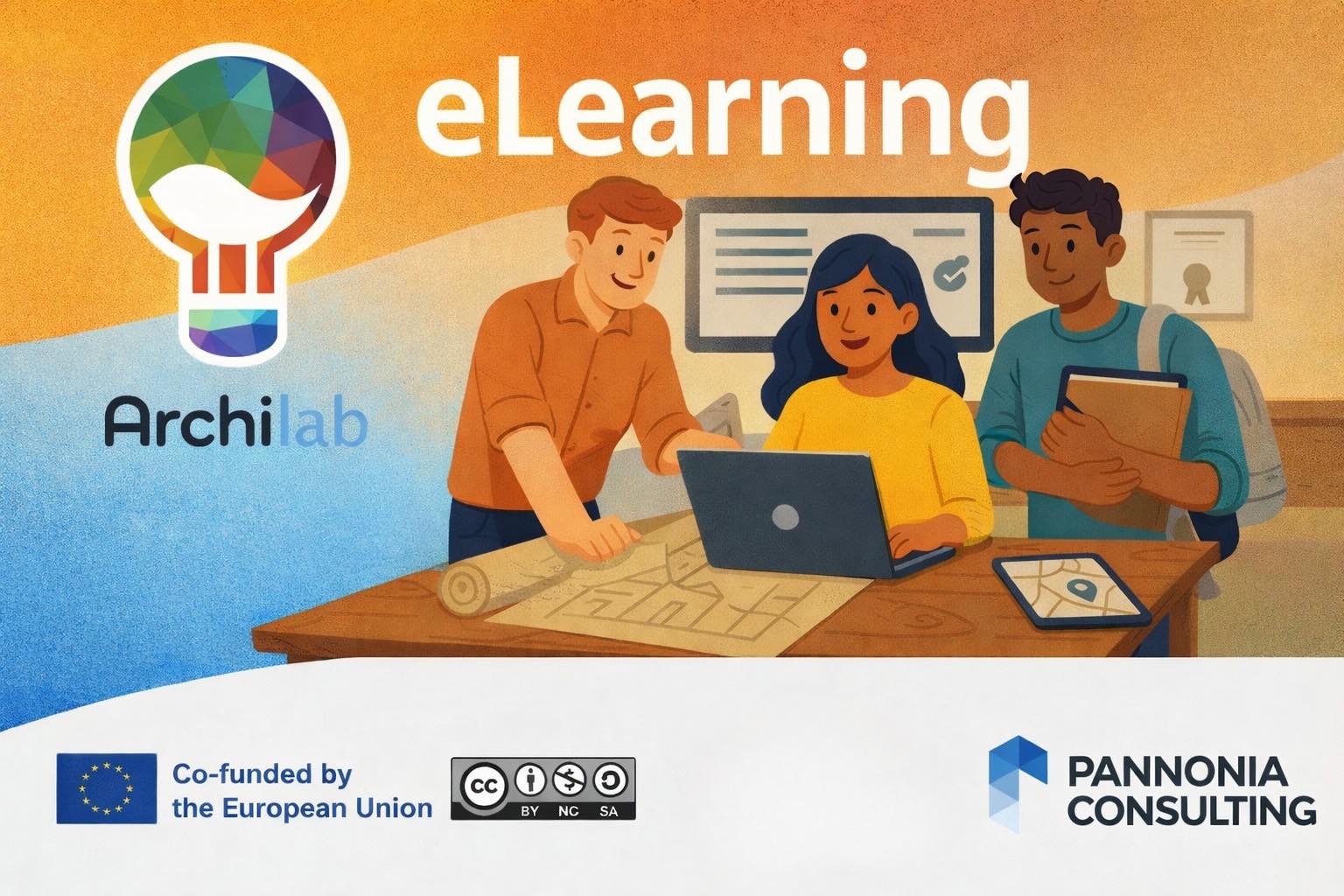
On 26 January 2026 the workshop “Sustainable Digital Education and the Role of eLearning” was held in Zagreb, organised by Pannonia Consulting d.o.o. within the Erasmus+ project ARCHILAB – eLearning Architects: Designing the Future of the Labor Market. Twelve representatives of the local community took part, among them vocational educators and trainers, civil society organisations active in education, and other relevant stakeholders.
The workshop set out to raise awareness of digital literacy as a key competence for learners, educators and the wider community, and to show what eLearning platforms can do for the accessibility and the quality of education. Particular emphasis fell on bringing sustainability into digital education through responsible and efficient use of digital tools and resources. The activity also helped disseminate the project results and strengthen cooperation with the local community.
The programme covered sustainable digital education, how eLearning platforms work and how they are used in vocational and adult education, building digital literacy in the local community, and applying sustainable and inclusive practice in learning. Through interactive discussion and group work, participants identified local needs, obstacles and openings for wider use of digital learning, along with concrete steps they can take in their own organisations and communities.
Care was taken over the green and inclusive sides of the workshop itself. Digital material was preferred to print, accessible formats were used, and, where needed, conditions were arranged for the full participation of people with disabilities, including support for deaf and hard-of-hearing participants. This underlined once more how much equal access to education and the responsible use of resources matter.
The workshop left participants with a better understanding of why digital literacy matters, better informed about the role of eLearning platforms, and more aware of sustainability and inclusion in digital education. They expressed interest in applying what they had learned in their own organisations, particularly by introducing digital components into learning, sharing and reusing material better, and strengthening support for learners with less digital confidence.