Pannonia in Colombia: Sustainable Lighting, Biodiversity Protection and International Cooperation through VET EcoLume
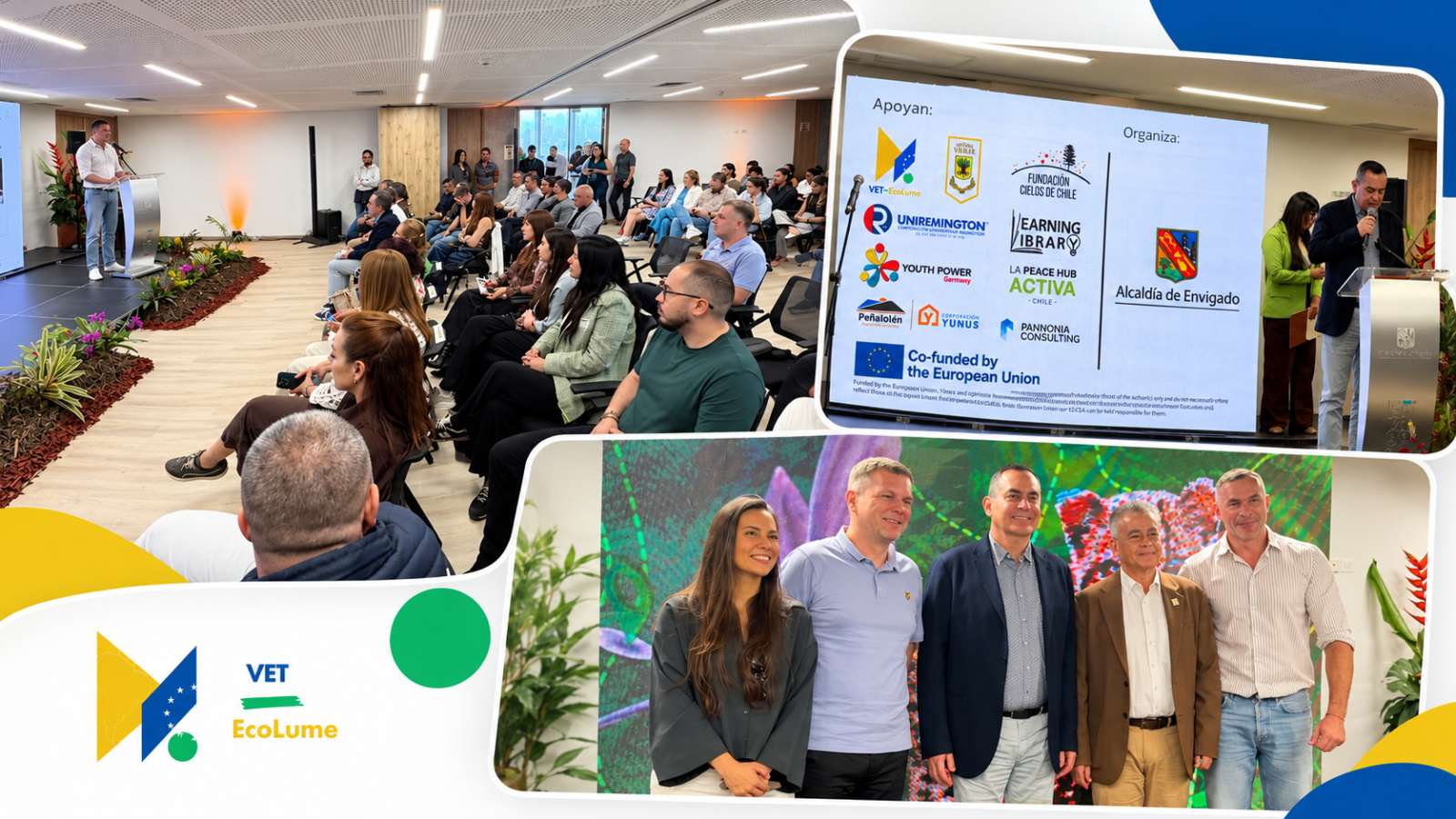
From 5 to 9 October 2026, representatives of Pannonia visited Envigado, Colombia, where they joined international partners for the Sustainable Lighting Summit and a series of activities dedicated to biodiversity protection, sustainable lighting and the development of green skills.
The event was organised within the framework of the Erasmus+ VET EcoLume project, which brings together European and Latin American organisations to develop innovative educational approaches to reducing light pollution.
During the five-day visit, we had the opportunity to present the project’s achievements, exchange experiences with partners and local experts, and gain first-hand insights into Colombia’s approaches to environmental protection and sustainable urban development.
Our hosts, the Municipality of Envigado and Universidad Uniremington, prepared an engaging programme as part of the local Biodiversity Week. Beyond the professional activities, the visit offered an opportunity to experience Colombian culture, connect with local communities and discover the rich natural heritage of this part of South America.
When Does Artificial Lighting Become a Problem for Nature?
Artificial lighting is an essential part of modern life, but excessive or poorly designed lighting can have serious environmental consequences. Light pollution affects the behaviour of nocturnal animals, bird migration, insect life cycles and the functioning of natural ecosystems. At the same time, unnecessary lighting increases energy consumption and costs and may also negatively affect human health.
These issues were at the centre of the Sustainable Lighting Summit, held in Envigado. The event brought together project partners, experts and local stakeholders to discuss opportunities for reducing light pollution, improving public lighting practices and protecting biodiversity.
Particularly interesting were the discussions on how cities can balance the need for safe and functional lighting with the protection of natural habitats. Sustainable lighting does not simply mean using less light. It means using light more intelligently — in the right places, at the right times and at appropriate levels of intensity.
VET EcoLume – Developing Green Skills through Education
The VET EcoLume project was developed to connect vocational education and training (VET), environmental protection and sustainable lighting practices. Through cooperation between organisations from Croatia, Germany, Estonia, Colombia and Chile, the project aims to develop the knowledge and skills needed to identify, measure and reduce light pollution.
One of the project’s most important achievements is the development of a vocational curriculum for Light Pollution Mitigation Specialists.
The curriculum consists of five educational modules covering the fundamentals of light pollution, monitoring and measurement methods, environmental and health impacts, sustainable lighting solutions and opportunities for community action.
In addition to the curriculum, the partnership has developed handbooks for trainers and learners, a research report, digital educational resources and an online learning course. Together, these materials provide a foundation for training professionals who can apply their knowledge in practice, from public lighting planning to advising local communities on more sustainable solutions.
For Pannonia, an especially valuable aspect of the project is the direct connection between education and the practical needs of industry and society. The green transition requires new knowledge and competencies, and vocational education has a crucial role in preparing professionals to respond to emerging environmental and technological challenges.
Colombia: Connecting Nature Conservation and Local Development
One of the highlights of our visit to Envigado was the opportunity to explore sustainable lighting in the context of Colombia’s extraordinary biodiversity.
Located in the metropolitan area of Medellín, Envigado is committed to preserving its natural areas and protecting local ecosystems. In such an environment, light pollution becomes particularly relevant because artificial lighting can affect numerous animal species and their natural habitats.
During Biodiversity Week, various professional meetings, discussions and activities focused on nature conservation, including a symposium on protected areas and the importance of preserving dark night skies.
Conversations with local experts and institutional representatives demonstrated the importance of connecting scientific research, public policies, education and active community participation.
These experiences are particularly valuable for international educational projects, as they allow developed materials and approaches to be examined from different perspectives and adapted to the real needs of learners and local communities.
Two Years of Cooperation between Europe and Latin America
The meeting in Colombia took place during the final phase of the two-year VET EcoLume project, which began in January 2025.
Throughout its implementation, project partners have jointly explored the challenges of light pollution, developed educational materials, prepared digital learning resources and participated in international training activities.
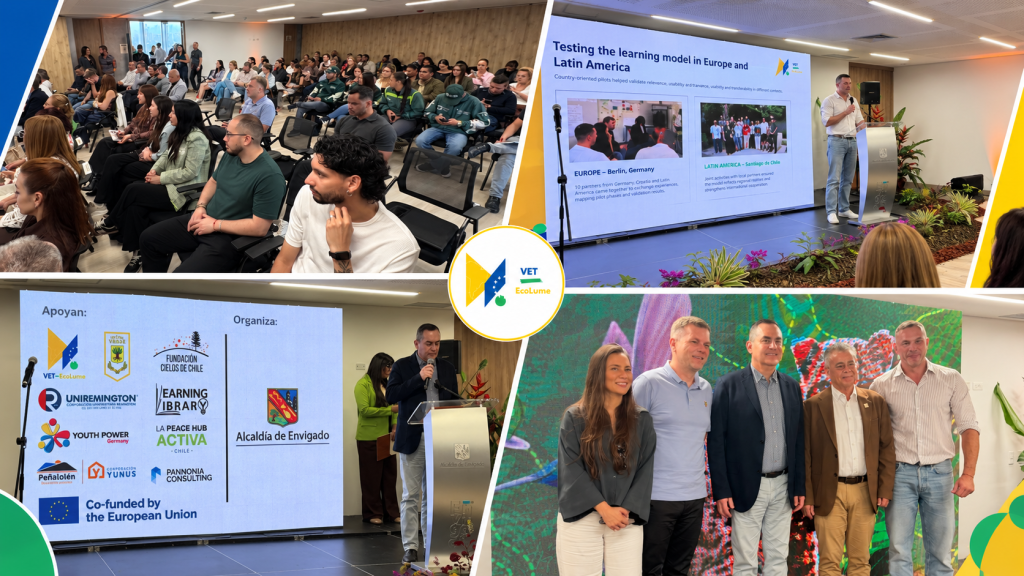
Following previous project activities and pilot training held in Santiago de Chile in January 2026, the meeting in Envigado provided another opportunity to exchange experiences, present the results developed so far and discuss their future application.
The international nature of the project has enabled the exchange of diverse experiences and expertise. While European partners contribute their experience in curriculum development and digital education, partners from Latin America bring valuable insights into local environmental challenges, biodiversity and community needs.
This cooperation demonstrates the value of international projects when educational resources are developed through genuine knowledge exchange, shared experiences and practical solutions.
Returning from Colombia with New Experiences and Ideas
Beyond the professional programme, our visit to Envigado will remain a memorable experience thanks to the exceptional hospitality of our hosts.
Meeting local people, discovering Colombian culture, music and cuisine, and sharing moments with our project partners made the visit even more meaningful.
We would like to express our sincere appreciation to the Municipality of Envigado, Universidad Uniremington and the project coordinator, Youth Power Germany, for their excellent organisation, warm welcome and successful cooperation over the past two years.
For Pannonia, participation in VET EcoLume represents another valuable international experience in developing educational programmes, digital learning tools and green skills.
We returned from Colombia with new knowledge, fresh ideas and a renewed appreciation of the important role education can play in addressing real environmental challenges.
Sustainable lighting may not be among the first topics that come to mind when discussing nature conservation, but projects such as VET EcoLume demonstrate how thoughtful changes in the way we design and use technology can contribute to environmental protection.
During the final months of the project, we will continue working with our partners to finalise, present and disseminate the developed educational resources, ensuring that the knowledge and materials remain accessible to educators, professionals and interested organisations.
About the VET EcoLume Project
VET EcoLume is an international project co-funded by the European Union through the Erasmus+ programme. It focuses on strengthening vocational education and training capacities in sustainable lighting and light pollution mitigation.
The project is coordinated by Youth Power Germany and brings together partners from Germany, Croatia, Estonia, Colombia and Chile.
More information about the project, its educational materials and the free online course is available on the official website:
Funded by the European Union. Views and opinions expressed are, however, those of the author(s) only and do not necessarily reflect those of the European Union or the European Education and Culture Executive Agency (EACEA). Neither the European Union nor EACEA can be held responsible for them.