Pannonia Consulting at the international WEC training in Ireland
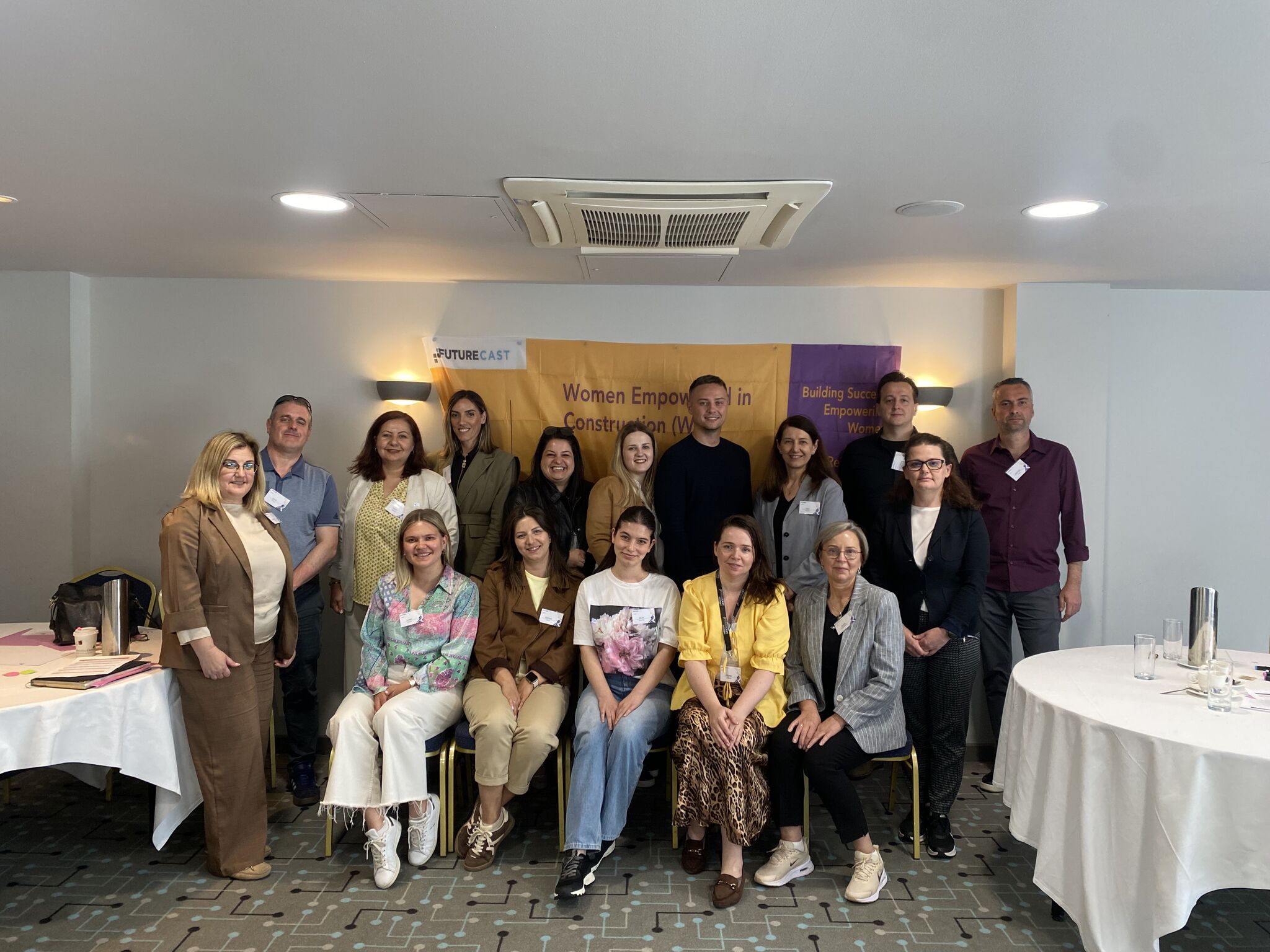
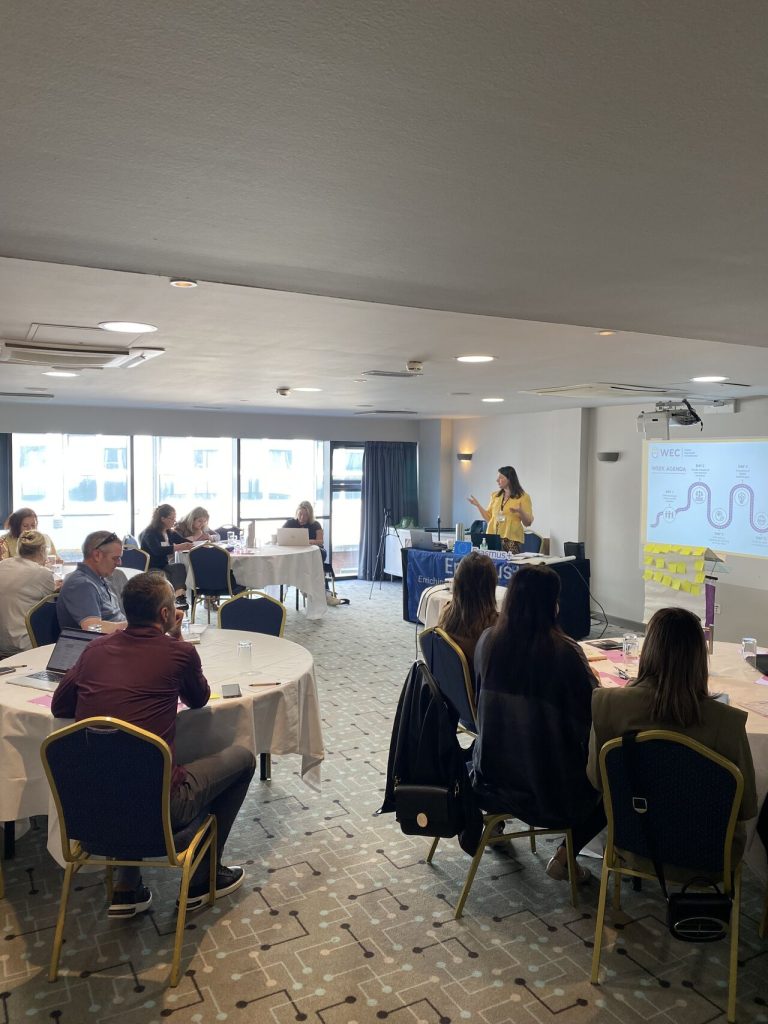
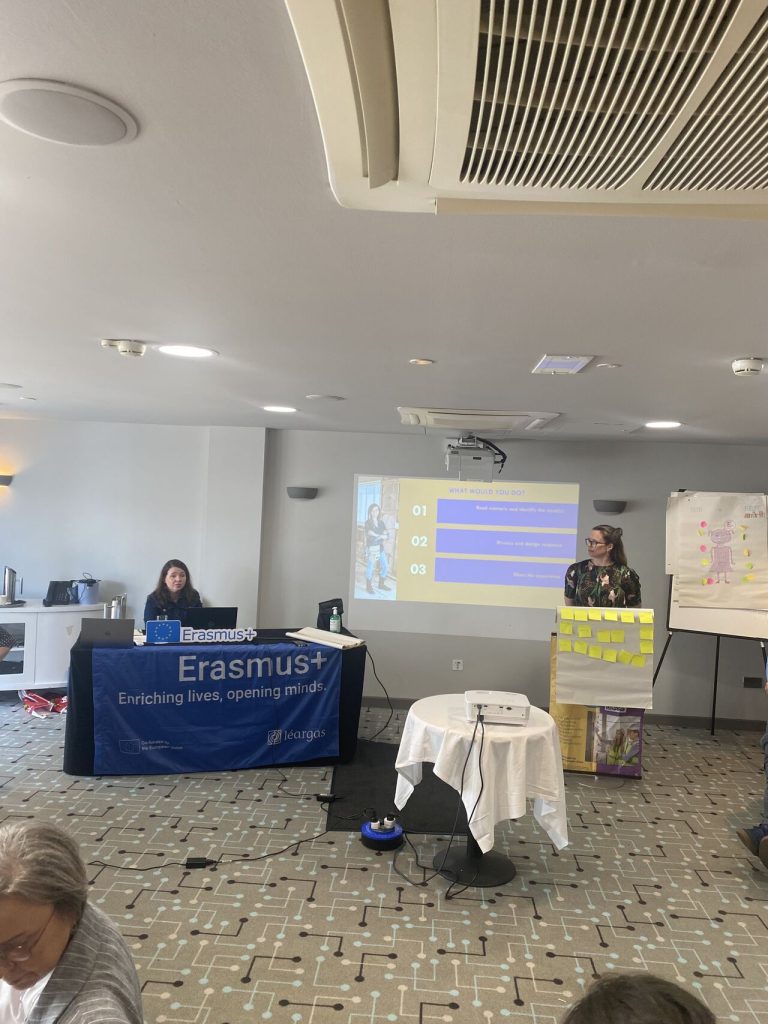
In May 2026 representatives of Pannonia Consulting took part in a Learning, Teaching and Training Activity within the project WEC – Women Empowered in Construction, held in the Irish towns of Sligo and Manorhamilton.
Over six days of an intensive programme, partners from several countries came together to share experience, examine the challenges and the openings, and think jointly about the future of education and workforce development in construction. The programme covered a wide range of subjects: gender equality and inclusion, leadership, communication and teamwork, health and safety at work, digital and innovative construction technologies, and sustainable, forward-looking approaches to education in the building trades.
Inclusion and women in construction
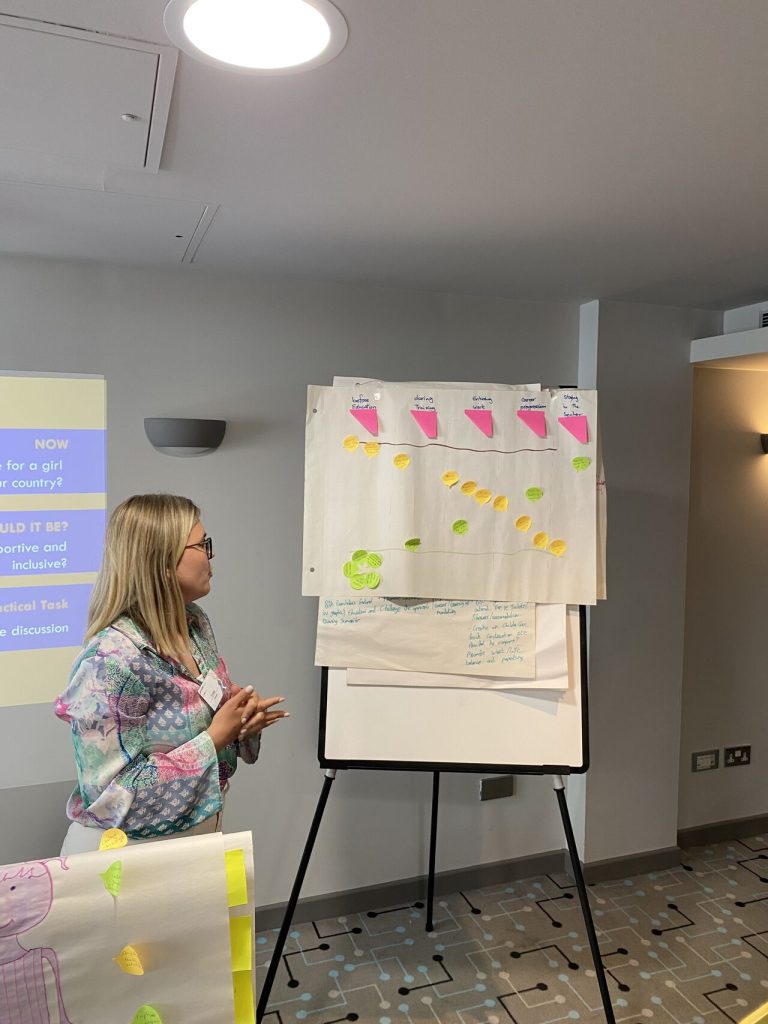
The first days were given over to the realities of education in construction, to entering the workforce, and to the obstacles women still meet in different countries and regions. Through joint discussion, group work and shared experience, participants explored how education, awareness raising and cooperation with industry can contribute to a more inclusive future for the sector.
Guest speakers gave the programme particular value by sharing their own personal and professional experience. Joanne White, founder of Women in Construction in Ireland (WICI), told the story of how the initiative grew out of the personal experience of one of the few women in the trade into a strong network that today helps thousands of women across Ireland through advocacy, mentoring and practical support.
Mairead Mc Knight, an instructor at the Athlone Training Centre and a member of the National Apprenticeship Alliance, shared candid reflections on decades of work in the electrical and apprenticeship sector, from completing her apprenticeship in the nineties to working in industry and in the development of vocational education. She underlined how much visibility, mentoring and long-standing support networks matter for women in traditionally male environments. Participants then worked on more inclusive methods for education and work-based learning, pooling ideas and recommendations.
Teamwork and building heritage
The third day brought together teamwork, cultural heritage and learning by experience. It began with outdoor team-building at Lough Key Forest Park, where interactive challenges strengthened communication, cooperation and soft skills.
A study visit followed to Parke’s Castle on the shore of Lough Gill, a restored 17th-century fortified house that reflects the transition between early Irish and later English building influences. A visit to Church Island, with the remains of an early medieval monastic settlement and a 6th-century church, shed further light on the historical role of architecture, shared spaces and heritage conservation in Ireland.
Our thanks to JJ O’Hara, chief executive of Future Cast, for an inspiring field lecture and for the insight into research that brings together robotics, artificial intelligence, industrial 3D printing and experiments with sustainable materials in the context of the future of building.
Digitalisation and the technologies ahead
The central part of the programme, held at The Yeats Society in Sligo, was devoted to innovation and digitalisation. Mark McGowan and Glen McStay of Future Cast led a series of sessions on how technology is changing the construction industry.
Participants met a broad range of subjects, including:
- BIM (Building Information Modelling) and digital tools for working together, for instance through platforms such as Autodesk Construction Cloud, where architects, structural engineers and mechanical, electrical and plumbing specialists work on shared digital models;
- operating drones and the regulation that goes with it;
- 3D printing in construction (3DCP), including COBOD International systems and the development of cementitious materials suited to printing;
- digital twins, organic modelling, and the use of virtual, augmented and mixed reality (VR/AR/XR) in planning, design and training;
- advances in computing power, from conventional systems to supercomputers and the ideas behind quantum computing.
Particular emphasis fell on sustainability and on the industry’s efforts to cut its carbon footprint through smarter design processes and innovative materials. The sessions showed how digitalisation is shaping the sector and opening new opportunities for innovation, cooperation and lifelong learning in construction and in vocational education.
Reflection and certificates
The final day was given to reflection, evaluation and sharing what the week of learning, cooperation and intercultural exchange had brought. Participants underlined the value of partners from different countries examining together the challenges, the opportunities and the innovative approaches to education and workforce development in construction.
The activity closed with the award of Certificates of successful participation, recognising the commitment and engagement of everyone on the programme.
Taking part strengthened the WEC partnership and its shared view of the future of construction: a sector that is not only a matter of infrastructure and technical skill, but an environment in which more and more people feel represented, supported and encouraged to build a long career. Pannonia Consulting thanks all the partners, speakers and participants for their openness, their energy and their cooperation throughout the week.
More about the project: www.women-in-construction.eu