Local trainings strengthened education staff in Germany, Croatia and Estonia
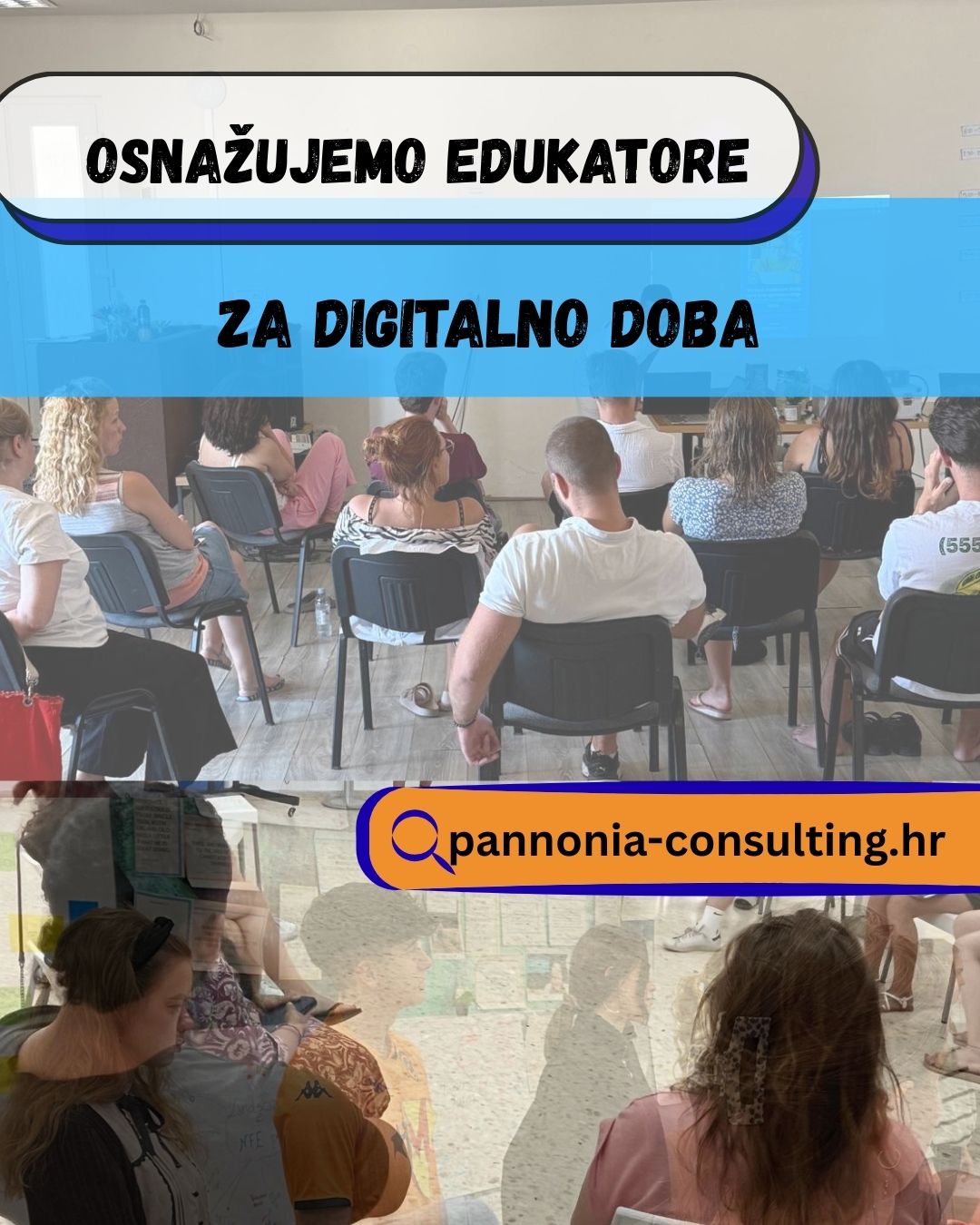
In January and February 2025 we successfully ran three local professional development courses in Germany, Croatia and Estonia, bringing together 45 vocational education staff in total. The initiative was coordinated by Youth Power Germany EV, in close partnership with Pannonia Consulting from Croatia and Learning Library OÜ from Estonia. The programme grew out of a concrete need among educators to strengthen their own digital and entrepreneurial competences and to bring modern, non-formal approaches into their work with young people.
Each course ran for five working days and combined interactive workshops, work in small groups, role play and structured reflection sessions. This approach let participants try out new teaching and mentoring techniques in a safe setting, exchange experience with colleagues from other countries and build practical examples for immediate use in the classroom. Particular attention went to virtual assistance and digital entrepreneurship as realistic entry points into the labour market for unemployed young people, alongside a critical look at the dynamics of the digital economy.
The series had a double aim: to raise the level of digital literacy and entrepreneurial skills among educators, and to equip them to guide young people towards sustainable and inclusive career paths. Working on real scenarios, participants improved their teaching approaches, adapted them to non-formal learning methodology, developed new strategies for supporting unemployed young people and tested ways of integrating the new virtual assistance curriculum into existing training programmes. The feedback shows a rise in educators’ confidence and motivation to take on a mentoring role and to encourage self-employment and micro-entrepreneurship among young people systematically.
The results achieved:
- In teaching practice, participants applied methods that encourage active learning and make learners responsible for their own progress.
- In curricular innovation, concrete modules and materials on virtual assistance and digital entrepreneurship were developed, ready to be introduced into teaching.
- In terms of impact on the target group, tools were adopted for guiding unemployed young people more systematically towards market-relevant skills, with an emphasis on accessibility and inclusion.
International cooperation proved decisive for the quality and sustainability of what was achieved. The exchange of experience between Germany, Croatia and Estonia sped up the transfer of knowledge, reduced duplicated content and made sure the solutions work in different contexts. Croatia’s participation in the consortium carries particular value: the Croatian partner contributed to modernising the approach to vocational education, equipping teachers for the challenges of the digital age and strengthening the link between school and the labour market, with clear potential to replicate the activities nationally.
Taken as a whole, the programme successfully turned digital challenges into opportunities for development and growth. Teachers gained concrete tools and methods, schools clear proposals for curricular improvement, and young people a more promising route towards employability and self-employment. The next steps include consolidating the materials developed, monitoring classroom effects more systematically and spreading the practice through the network of partners and stakeholders, so that the impact is lasting, measurable and transferable.
